

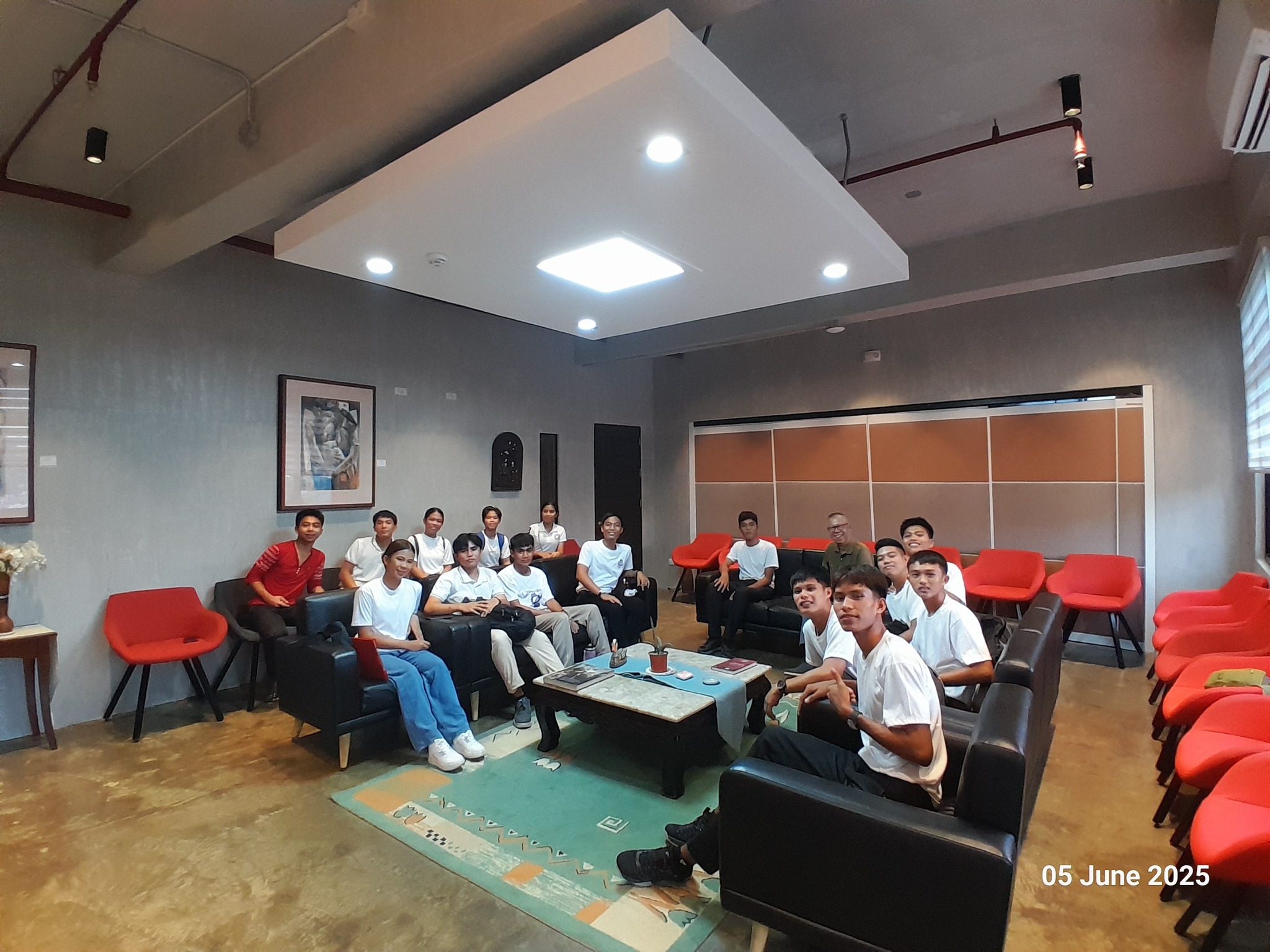
Scholars meet with Dr. Gayo of AITEC
Seventeen-year-old Ramonato Flor Jr. used to begin his day in the sugarcane fields of Barangay Gatuslao, Candoni, Negros Occidental. Even in the early morning, he was already hard at work, helping his father harvest cane. After graduating from Senior High School under the TVL-Agriculture strand at Quirico Manzano National High School, Ramonato had no plans for college and no clear path ahead—only a simple dream: to help his father till a one-hectare plot of land.
But Ramonato has always dreamed of something more. He imagines owning his own farmland one day—not for sugarcane, but for vegetables and rice, crops that feed families.
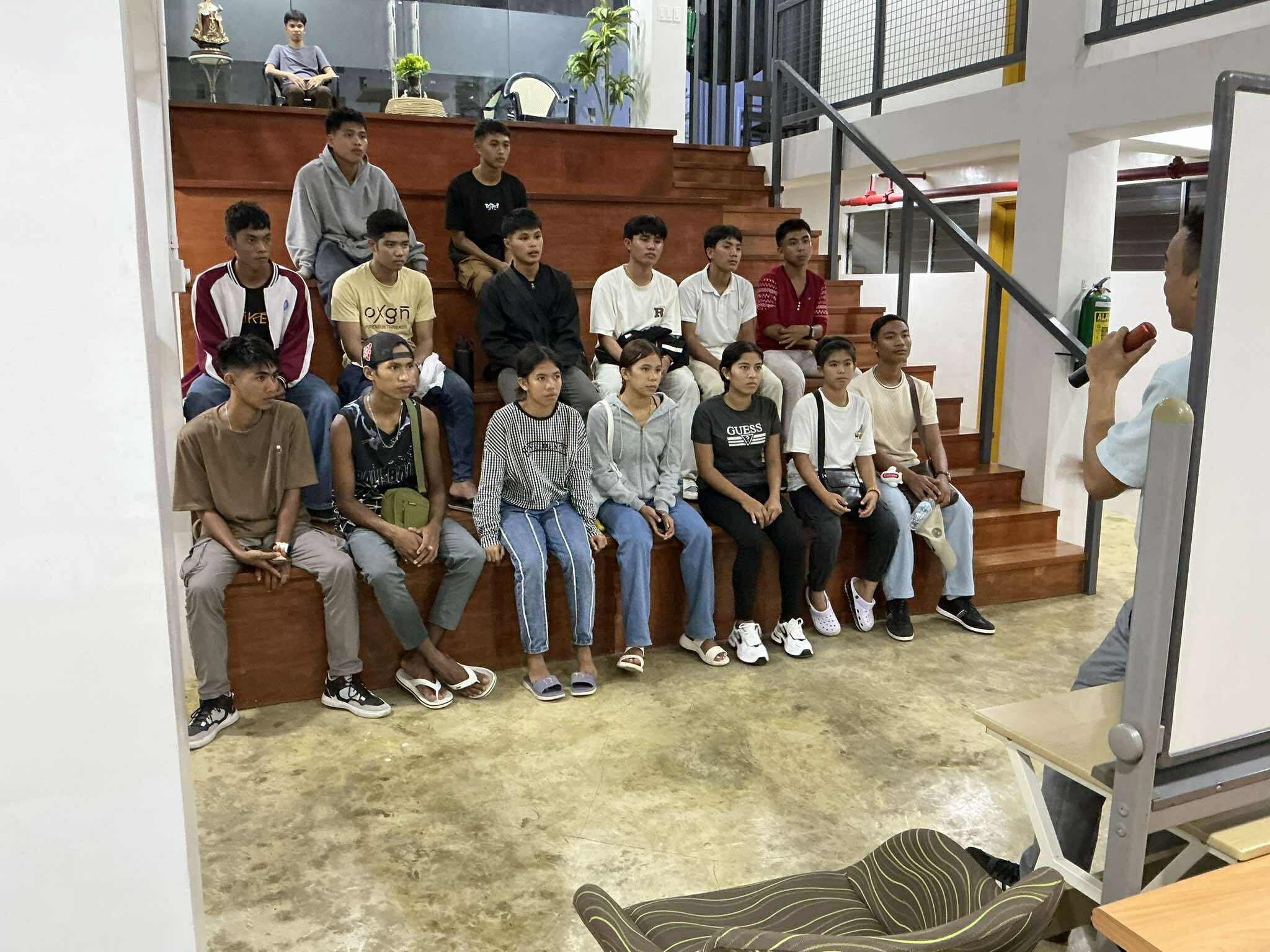
Scholars are welcomed to the dormitory
That dream began to take shape when Ramonato learned about a one-year course called the Production Technology Program for Palm Oil Production, implemented by CITE. The program—offered through a scholarship from Hacienda Asia Plantations Inc. (HAPI) and supported by the local government of Candoni—was designed to give out-of-school youth like Ramonato a new opportunity: two months of technical training in Cebu, followed by a 10-month paid apprenticeship in palm oil production back home in Negros.
The program was also made possible through the collaboration of the Agro-Industrial Technology and Enterprise Center (AI TEC), further strengthening its support for young Negrenses.
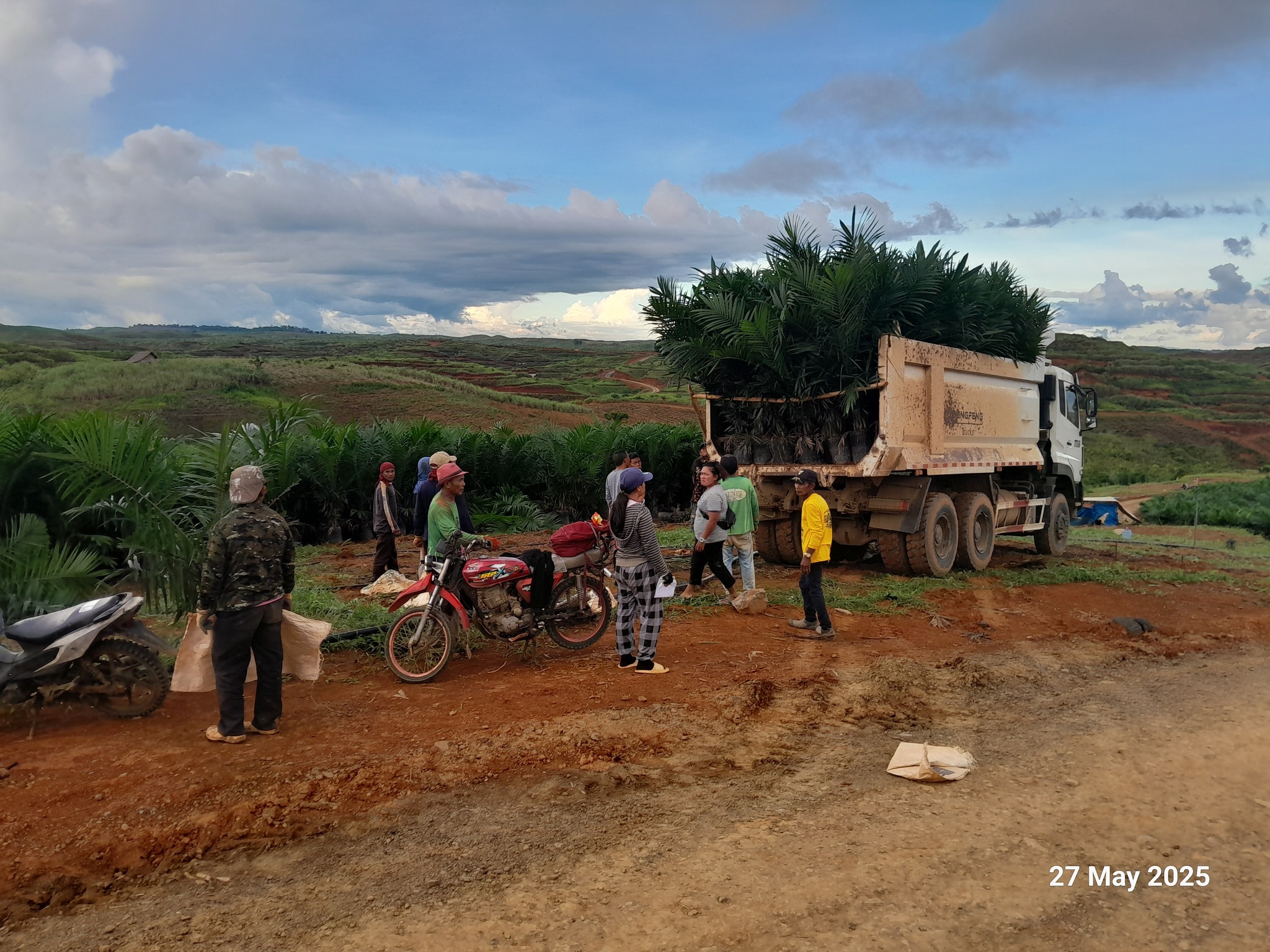
HAPI employs local workers in palm oil production
This is the first program of its kind on Negros Island. HAPI, which now employs over 500 workers—mostly locals—has committed to building local talent by sponsoring scholars for training. These scholars are being developed not only as farm workers but as future supervisors for HAPI’s expanding operations.
The full training program spans an entire year—two months at CITE, then ten months with HAPI. This model doesn’t just educate, it delivers.
The initiative addresses the skills gap among rural youth and the workforce demands of HAPI. Through a careful selection process, 18 young scholars, including Ramonato, took their first steps beyond their hometown—and toward a promising future.
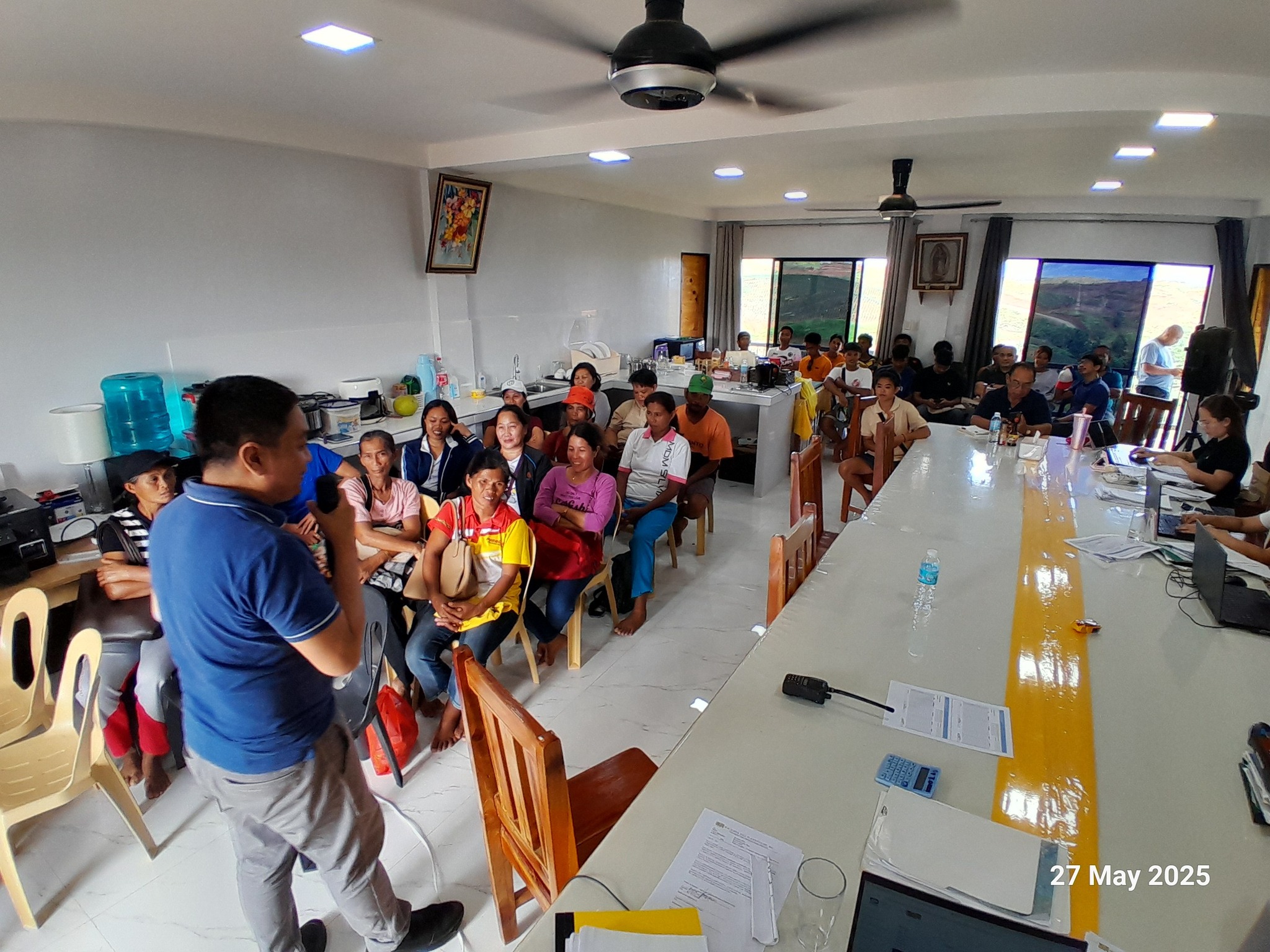
Parents receive orientations about the scholarship program
Now, Ramonato begins his two-month training at CITE, supported by mentors and faculty members who will guide him through the technical skills he will soon apply directly at HAPI’s palm oil farms in Negros.
But his journey doesn’t end there. With a dream of becoming a TESDA-certified automotive mechanic one day, Ramonato plans to save from his earnings, pursue further training, and eventually build a livelihood of his own. His story is a living example of how access—when paired with determination of a young Negrense—can transform a life.