

A significant step toward bolstering the Philippines’ position in the global semiconductor value chain, the Technical Education and Skills Development Authority (TESDA), CITE, and key representatives from industry and higher education institutions convened on July 2, 2025 at Casino Español de Cebu to explore the development of a Chip/Integrated Circuit (IC) Designer Technician Training Program.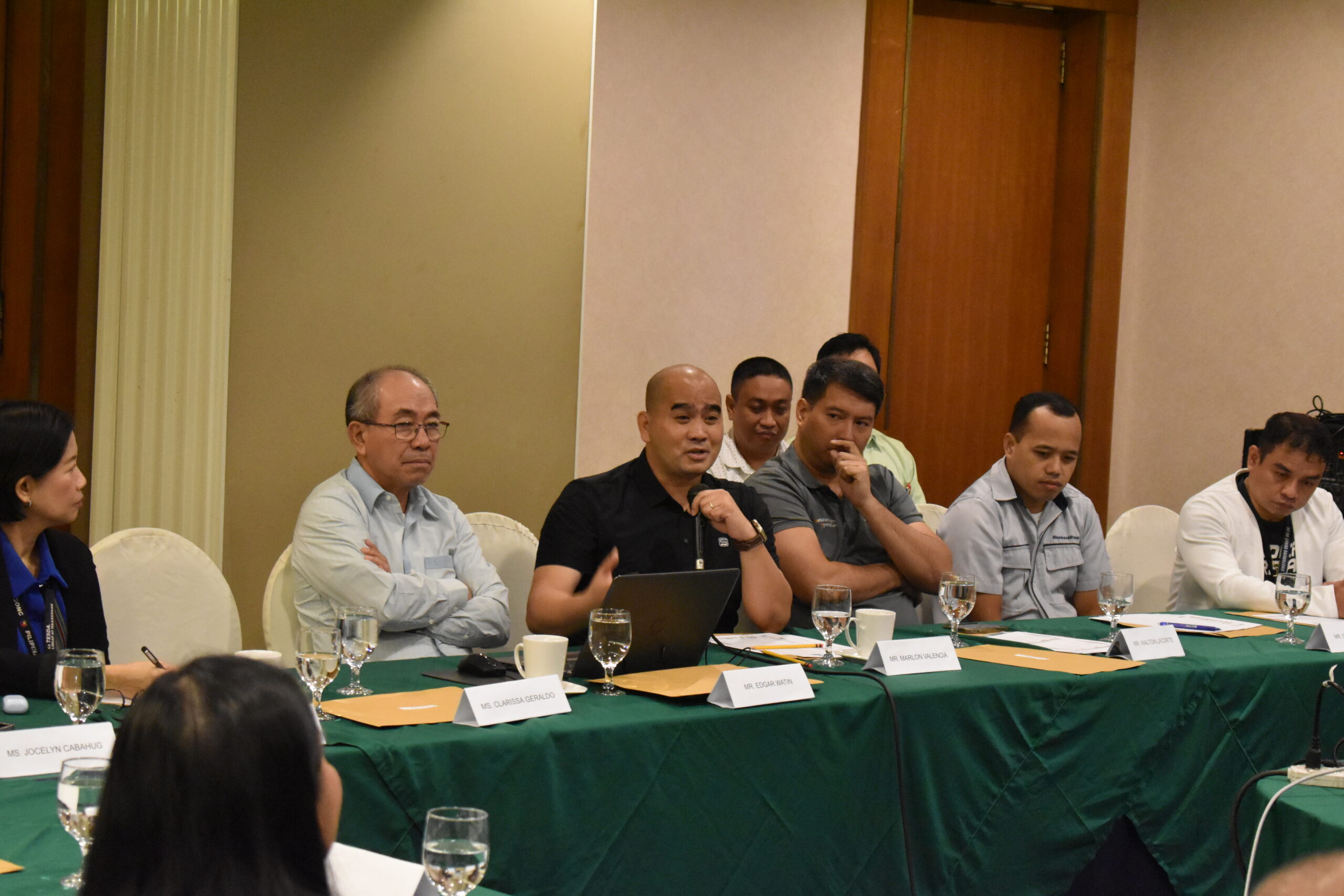
The forum brought together stakeholders to discuss the future of IC design training, focusing on how CITE’s Diploma in Electronics Engineering Technology can serve as a foundation for developing the necessary workforce.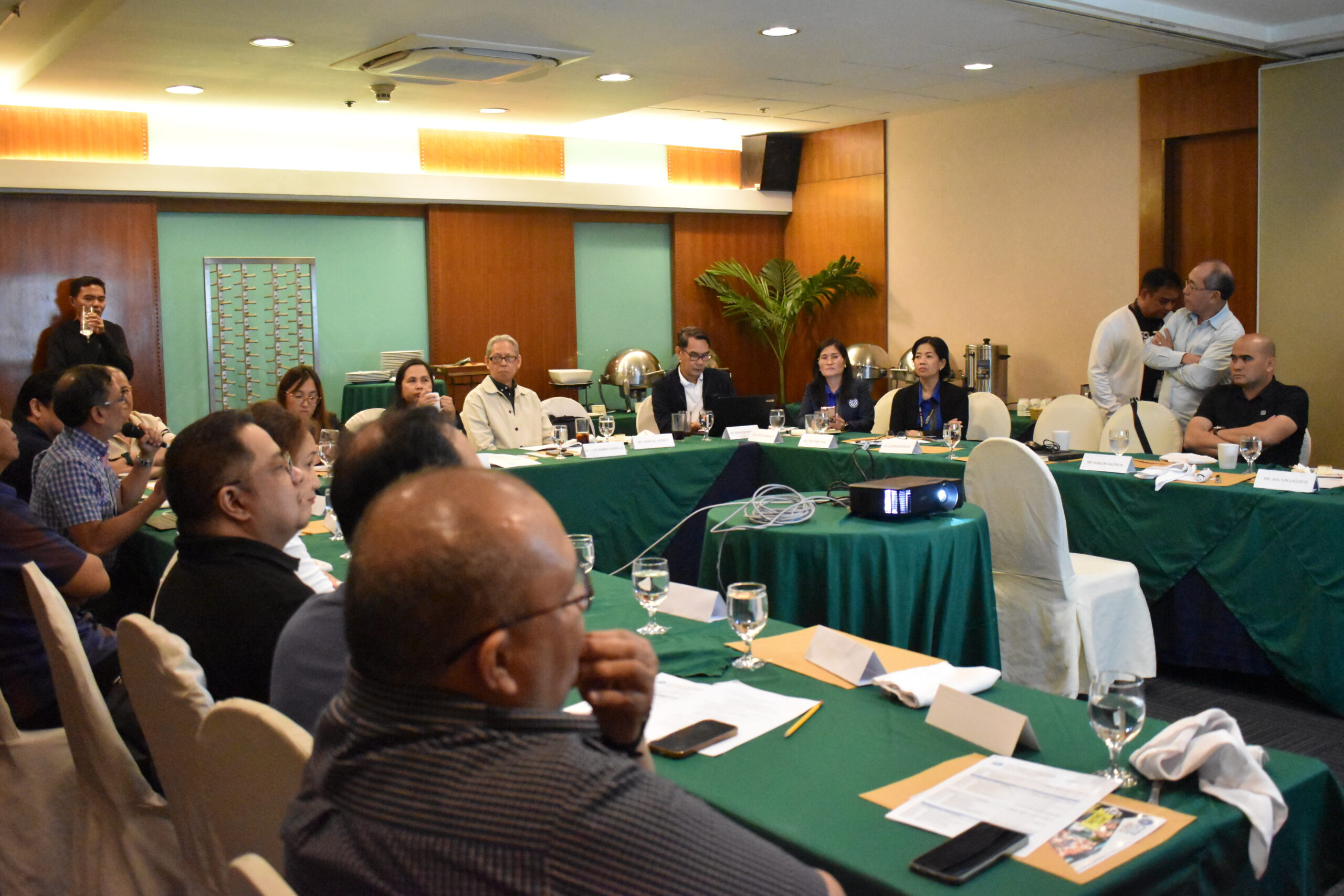
Engr. Teddy Maningo, a seasoned chip design expert, offered critical insights on the viability of IC design in the country. He noted that, unlike fabrication—which requires high-cost infrastructure—IC design can be pursued using more affordable tools such as open-source software and FPGA (Field-Programmable Gate Array) kits. “With strong fundamentals and the right tools, layout technician roles can be developed through short, intensive training programs,” he said.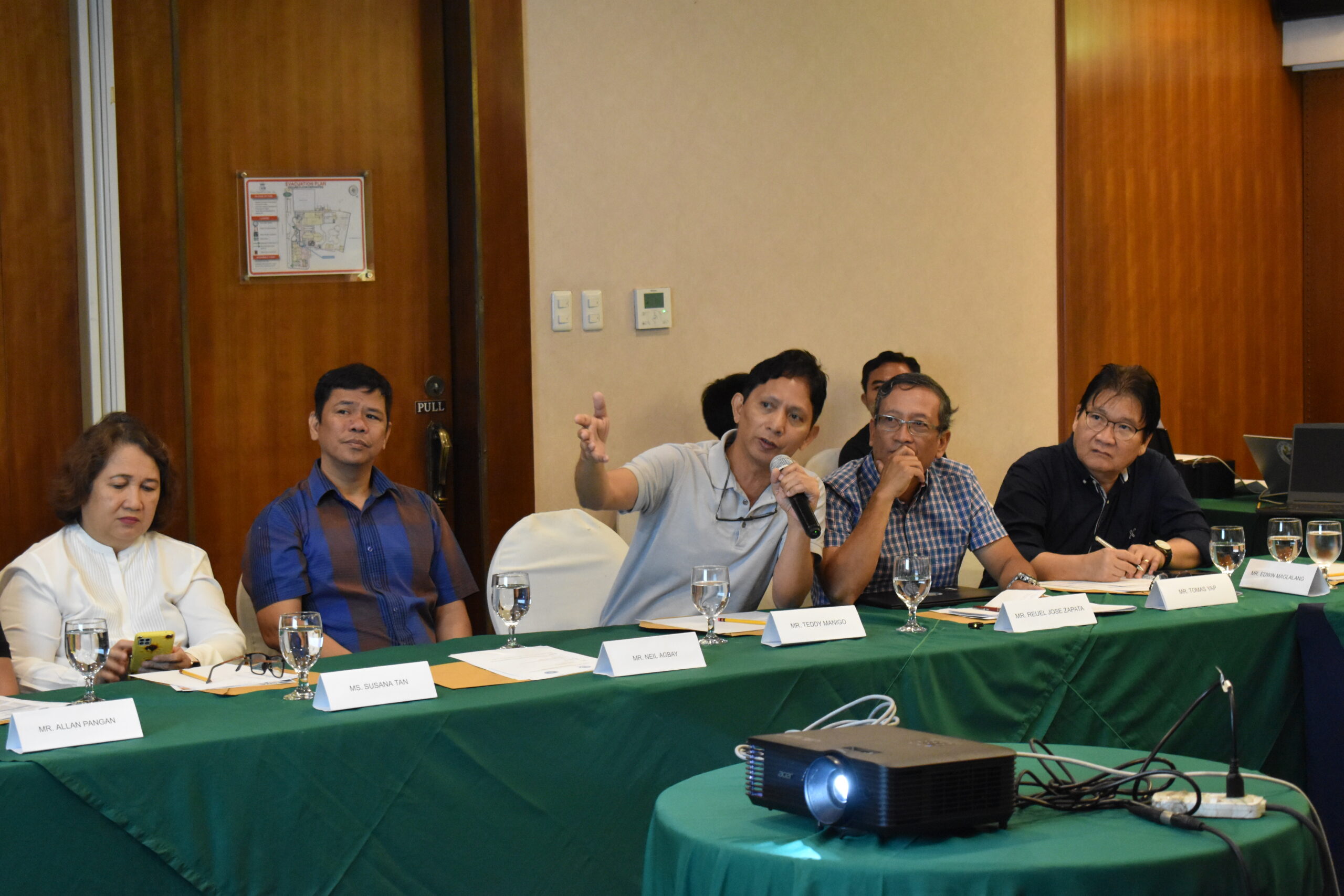
Representing TESDA, Regional Director Engr. Gamaliel Vicente and Assistant Executive Director Redilyn Agub of the Qualifications Standards Office (QSO) reaffirmed the agency’s commitment to expanding higher-level qualifications, including micro-credentials and diploma program standards. They also emphasized the importance of the Enterprise-Based Education and Training (EBET) framework to better align workforce preparation with actual industry demands.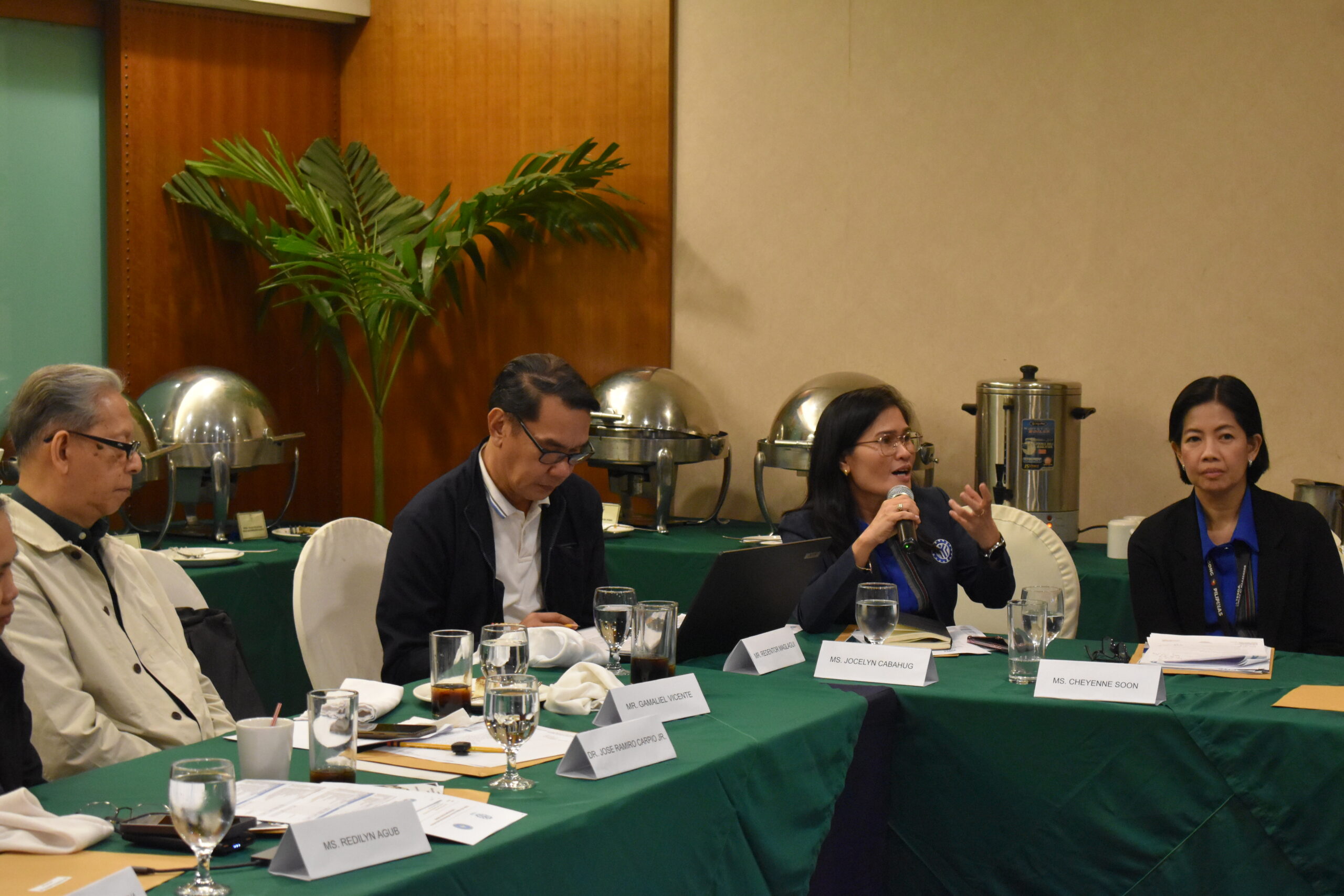
To operationalize the initiative, a Technical Working Group (TWG) was proposed to design a model curriculum, identify necessary equipment and software, propose funding requirements and explore modular training pathways aligned with the Philippine Qualifications Framework (Levels 3 to 5).
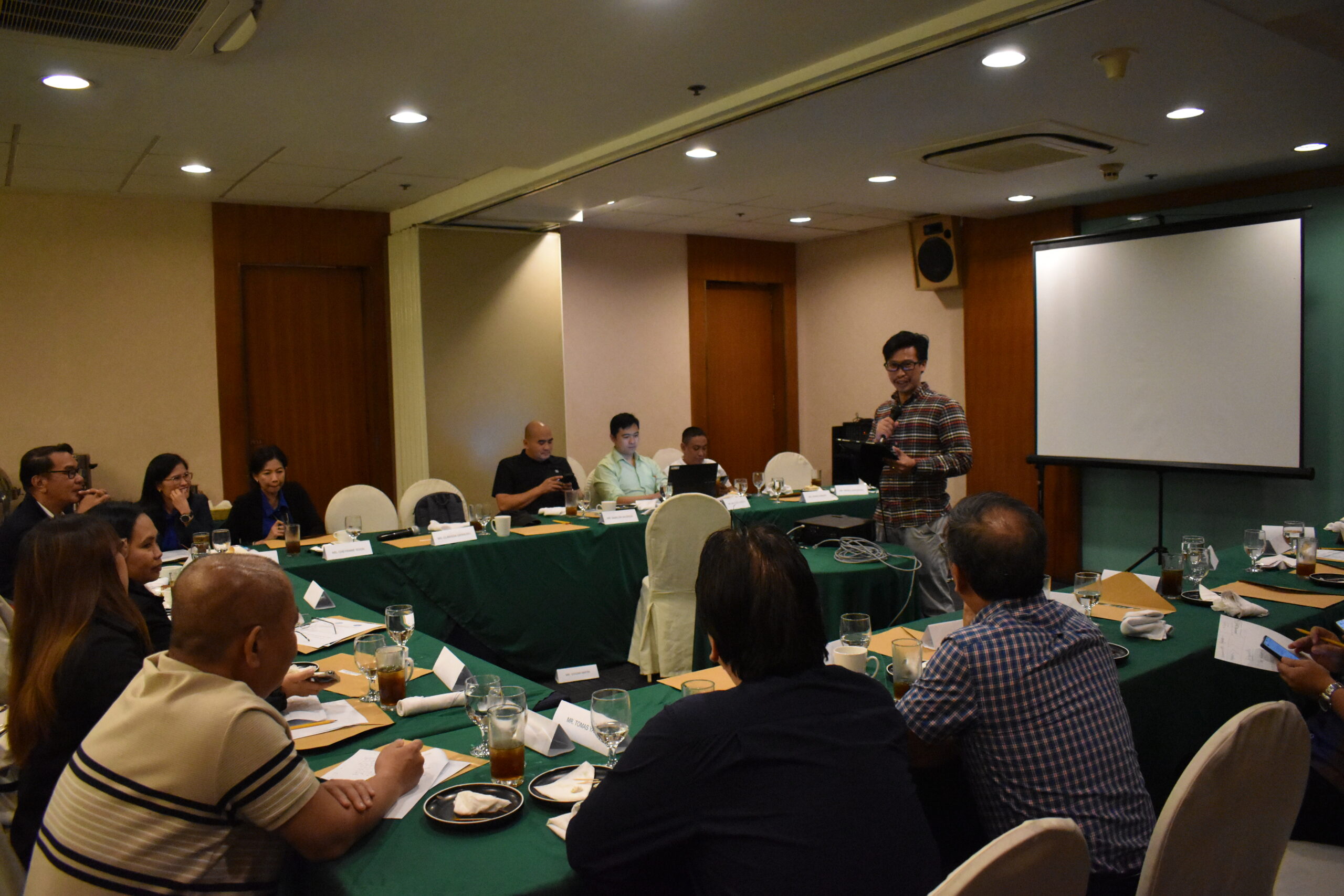
Discussions also centered on enhancing the current Diploma in Electronics Engineering Technology by integrating electives in microelectronics and IC design. Among the higher education representatives, Engr. Susana Tan, Chairperson of Cebu Institute of Technology–University (CIT-U) Electronics Engineering Department, confirmed that the units earned in CITE’s diploma program are aligned with CIT-U’s bachelor’s degree curriculum, promoting seamless academic progression for graduates.
The workshop concluded with a shared understanding: now is the time to invest in building the country’s IC design talent pipeline. With solid government support and growing engagement from the private sector and academic institutions, the initiative aims to position the Philippines as a competitive and capable hub for IC design and semiconductor workforce development in Asia.
The event was participated in by Dr. Jose Ramiro Carpio Jr. (Executive Director), Armand Simeon L. Millan III (Business Research Director), Marlon Valencia (HR and Admin Director), Tomas Yap (Finance Director), Neil Agbay (Academic Formation Director), Julieto Ardiente (Officer-in-Charge, Human Formation), Dariel Lauron (IGCR Director), Benjie Wong (Head, Production Technology), Eljon Lauria (Head, Electronics Engineering Technology), Mark Grondiano (Registrar), Engr. Reuel Jose Zapata (CITE Consultant), Engr. Edgar Watin (Consultant), Teddy Maningo (Industry Expert), Redilyn Agub, Bianca Luna, Mr. Edwin Maglalang, and Redentor Maglagui of TESDA Central Office–Quality Standards Office; Engr. Gamaliel Vicente (TESDA Regional Director); Gemar Aringay (Industry Partner, Minebea Mitsumi); Genes Encontro (Industry Partner, Teradyne Philippines); Walton Lacorte (Industry Partner, ON Semiconductor); Joy Cabahug (TESD Specialist, Region VII); Clarissa Geraldo (Supervising TESDA Specialist, Provincial Office); and HEI representatives: Engr. Thamar Tan (USC), Engr. Roel Militar (USJR), Engr. Susana Tan, and Engr. Allan Pangan (CIT-U).